22.05.2026 | Mission reports, Report
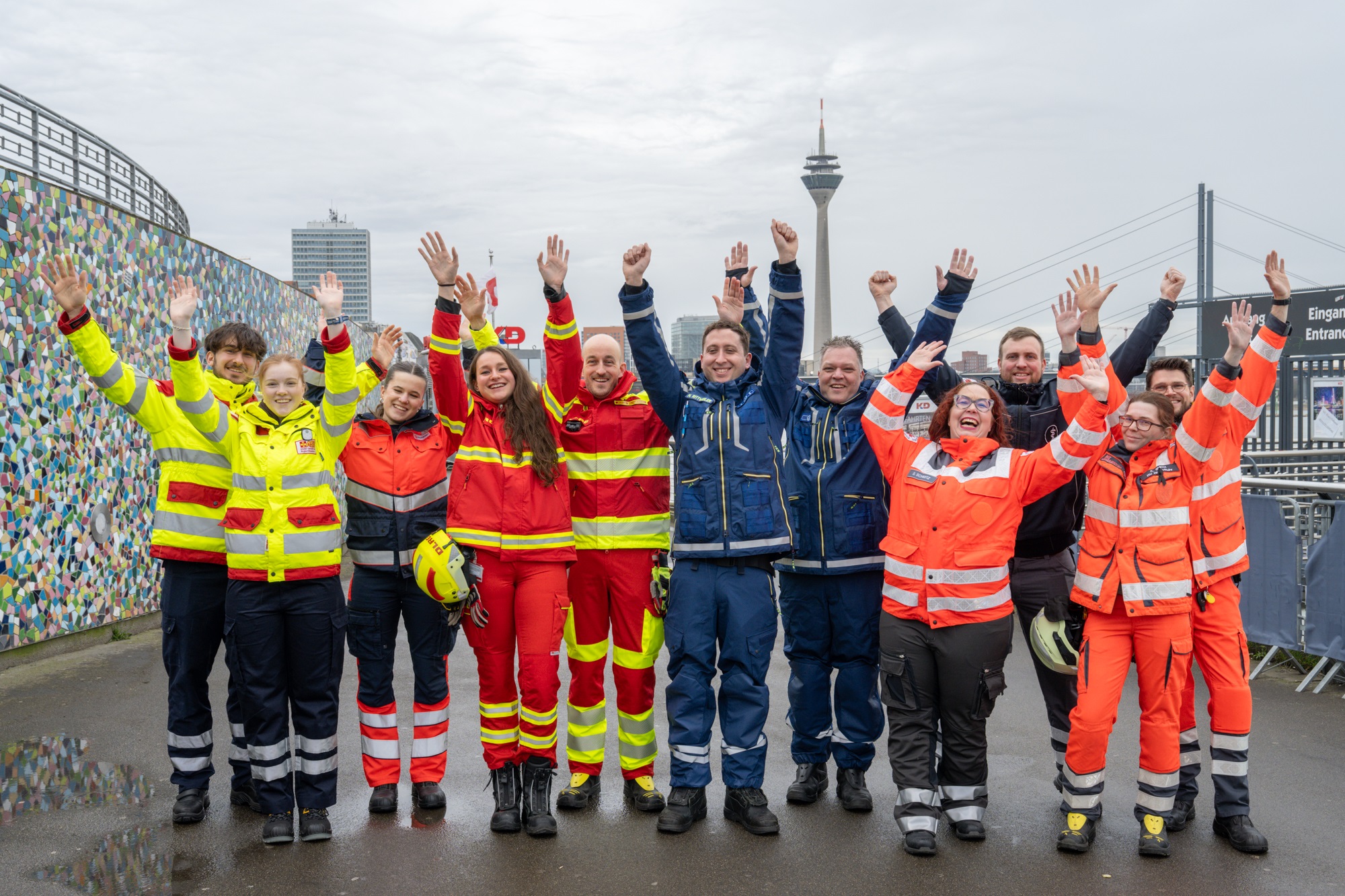
Emergency responders from various aid organizations on duty during carnival | © Sebastian Sehr
Whether firefighters, football coaches or refugee support workers, volunteers are the backbone of society. They are there for others in difficult situations and stand up for the common good.
Especially in times of crises, uncertainty and growing loneliness, the importance of this commitment becomes particularly clear. Volunteering brings people together, strengthens communities and makes democracy more resilient. Even though volunteering is changing and traditional forms of volunteering are increasingly being complemented by new, flexible opportunities, one thing remains the same: volunteering is people serving people.
Volunteering as a foundation of society and civil protection
Millions of people in Germany volunteer and take responsibility for others. Many areas of social life would not function without volunteering. Volunteers are essential not only to leisure and community activities and social support services, but also to structures within civil protection.
This is particularly evident in times of crisis. During severe weather events, natural disasters or other emergencies, volunteer emergency personnel are often the first on the scene. Thanks to their commitment, they ensure not only that rapid assistance reaches those who need it, but also that support can continue over the long term.
But volunteering does not only matter in times of crisis. It also plays an important role in everyday life, strengthening social cohesion by bringing together people from a wide variety of backgrounds. Together, volunteers create support services for people in all kinds of situations and help keep society running – alongside the demands of work, studies or family life.
A day to honour volunteers
On 23 May, the Day of Honouring Volunteers places the diversity of volunteering centre stage. It highlights how deeply rooted volunteering is in society and how effective it can be. It shows how people contributing in very different areas form an interconnected network of support and make a shared contribution to social cohesion. A contribution that makes our society stronger and more resilient and has an impact far beyond everyday life.
For our democracy, this commitment is invaluable. Those who volunteer experience what collective action can achieve and how unexpected solutions emerge through exchange and cooperation. This strengthens the awareness that social processes at every level depend on participation and are sustained through the involvement of many. Volunteering is the fuel of democracy. Or, in the words of Federal President Steinmeier: “Democracy thrives on people who take part.”
Community, purpose and personal development
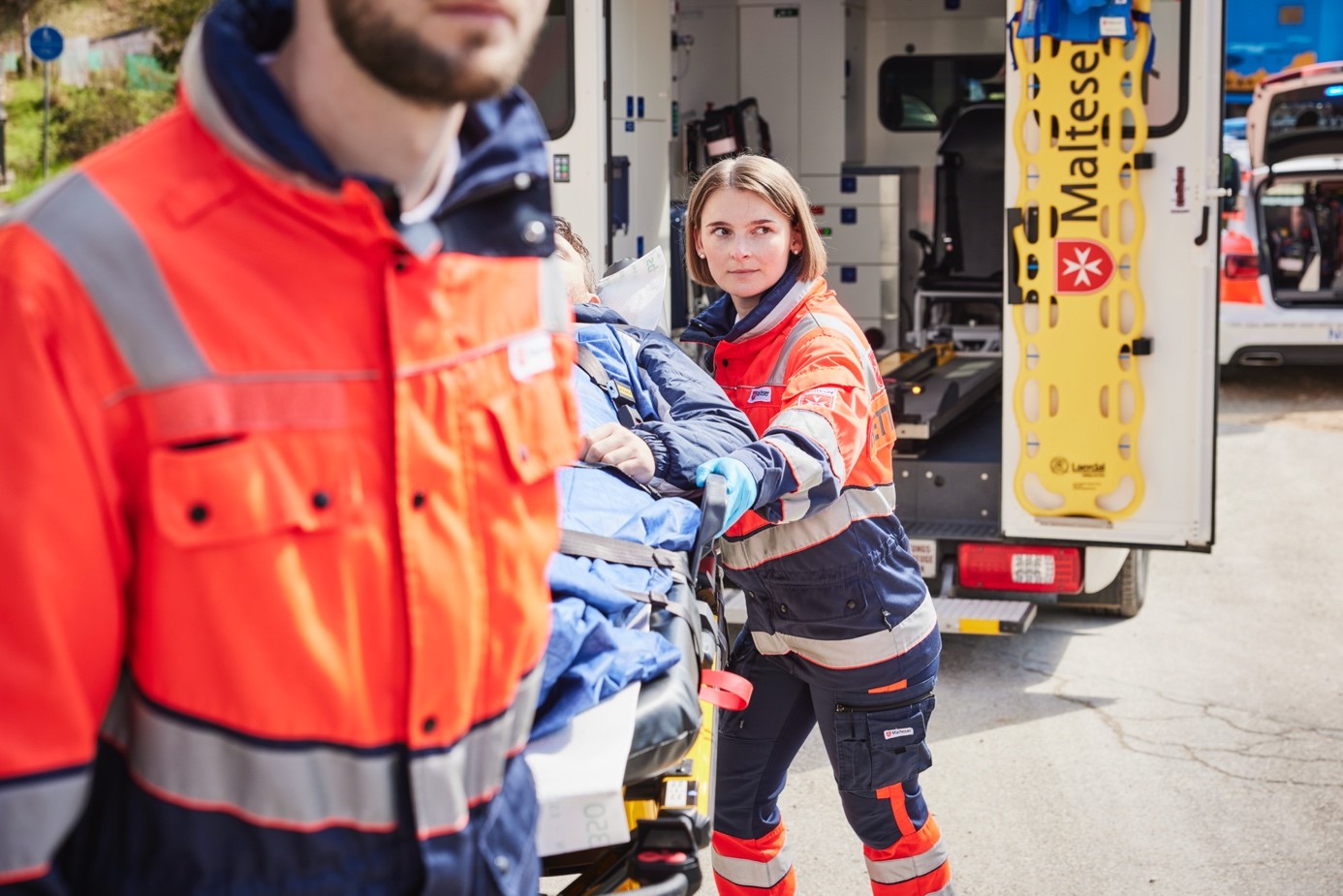
Emergency Services in action: working together for rapid aid and safe care | © Malteser Lena Kirchner
Volunteering enriches people’s lives in many ways. Volunteers take responsibility for themselves and others and become part of a strong community. They often find that volunteering helps them acquire new skills or develop personally. Within the Federal Agency for Technical Relief (THW), for example, volunteers are trained in technical skills and in dealing with demanding operational situations, while helpline volunteers learn how to support people in emotional crises with empathy. People involved in youth work or volunteering as sports coaches develop new skills in guiding, motivating and leading groups.
Particularly at a time when many people experience everyday life as fast-paced and demanding, volunteering can also help people slow down and discover a sense of purpose and self-efficacy alongside work and family commitments. It brings together people with shared interests and a common desire to contribute to society. Working together builds trust in oneself and in others, creates a strong sense of community and often even lifelong friendships.
However, volunteering does not necessarily mean taking on major responsibility straight away. Many people begin with smaller tasks and gradually grow into larger ones. That is often precisely what makes it appealing: every contribution counts, has a noticeable effect and can open up long-term opportunities.
“Volunteering in civil protection means being there for one another. Volunteers give their time, support and a sense of security to others – without hesitation and anywhere help is needed. Through their efforts, they make our communities a little safer every day and strengthen social cohesion in our society. For their willingness to help and their dedication, they deserve great recognition and our sincere thanks,” says Grit Tüngler, President of the Federal Office of Civil Protection and Disaster Assistance (BBK).
Anyone still looking for the right volunteering opportunity can use the Day of Honouring Volunteers to find one. The campaign map lists volunteering opportunities across Germany: https://www.ehrentag.de/en/find-activities/. For those particularly interested in civil protection, the BBK offers an interactive volunteering map: https://mit-dir-fuer-uns-alle.de/en/standorte-finden/.

For those particularly interested in civil protection, the BBK offers an interactive volunteering map:
Modern forms of volunteering
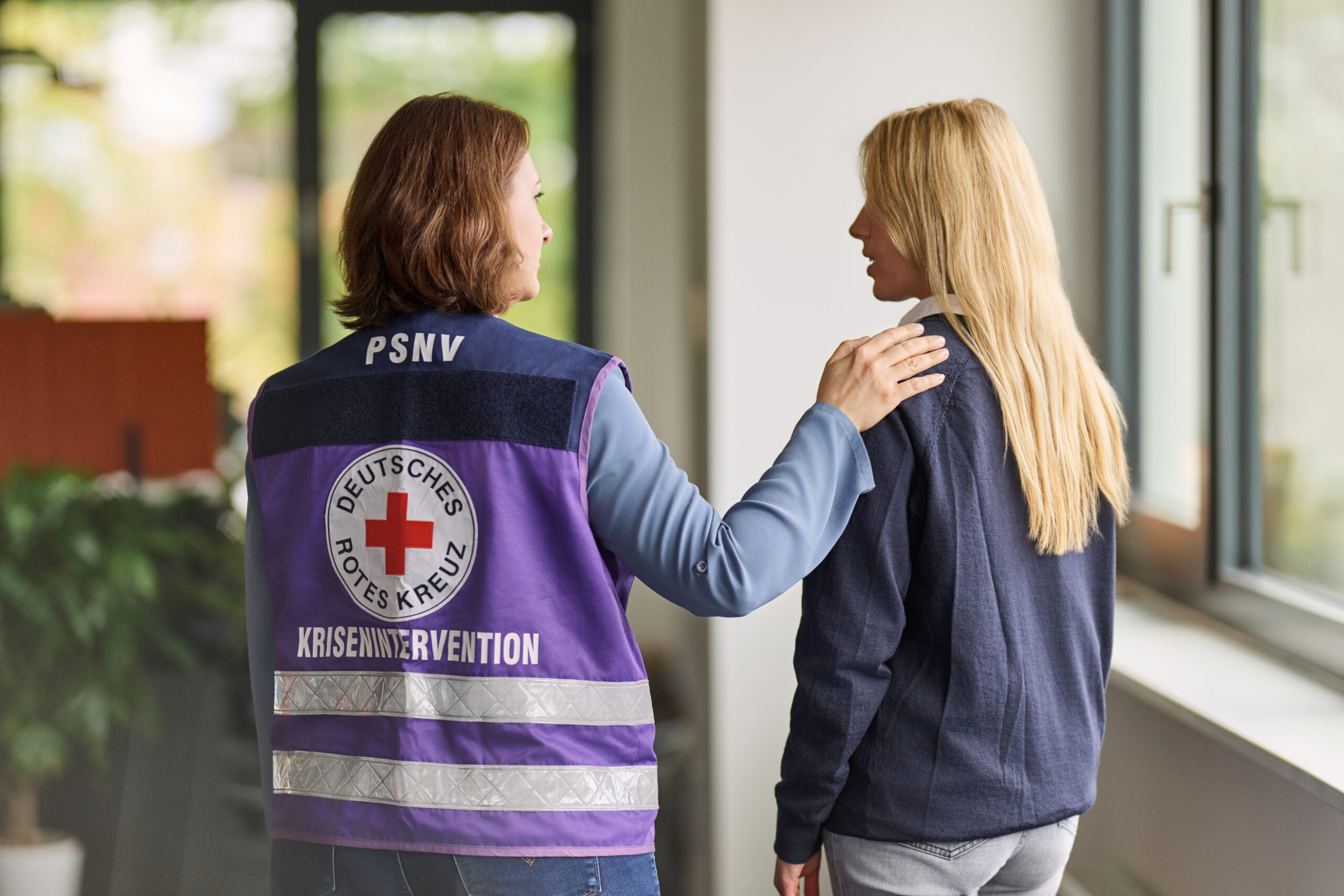
Psychosoziale Psychosocial emergency care: support and guidance in stressful situations | © DRK Berlin Sep25
Social trends do not stop at volunteering. Alongside the traditional “in-person volunteering”, increasingly flexible and digital ways of volunteering are emerging for people who want to help but find it difficult to fit fixed schedules into their daily lives. This is where new forms of volunteering create additional opportunities.
Volunteers can also contribute from home using a laptop or smartphone. They answer messages, provide online advice, create digital location maps or support communication and public relations work. Some volunteer regularly, while others take on smaller tasks whenever they can.
As a result, volunteering is becoming accessible to more and more people. Students with changing schedules, shift workers or family carers can become involved more flexibly. These forms of volunteering are more closely aligned with the realities of many people’s lives. Often, even small windows of time in everyday life are enough to get involved.
Digital forms do not replace traditional volunteering. They complement existing structures and create new ways of getting involved. What matters is not where people volunteer, but their willingness to take responsibility and support others.
Every contribution counts
Many people would like to volunteer but do not know exactly how to begin. Yet getting started is often easier than expected. In every volunteering role, there are contact persons who support new volunteers, explain procedures and help them find suitable tasks. Nobody has to be able to do everything immediately. The most important thing is to simply take that first step.
Because volunteering begins with small steps: a first helping hand, a short task or a single deployment. Over time, this often grows into something greater. What matters is not how much time someone can offer. What matters is that people are willing to get involved. Because even small contributions can make a big difference. In this way, volunteering shows every day what makes a society strong: people who are there for one another.