21.08.2026 | Report
Guidance on volunteering and civil protection
When civil protection is needed, teamwork matters. Alongside professional emergency responders, many volunteers contribute in a wide range of roles: providing hands-on assistance, supporting people in need, handling logistics and supplies, providing technical support or helping with coordination and organisation. It is the way these different roles work together that makes a fast and reliable response possible.
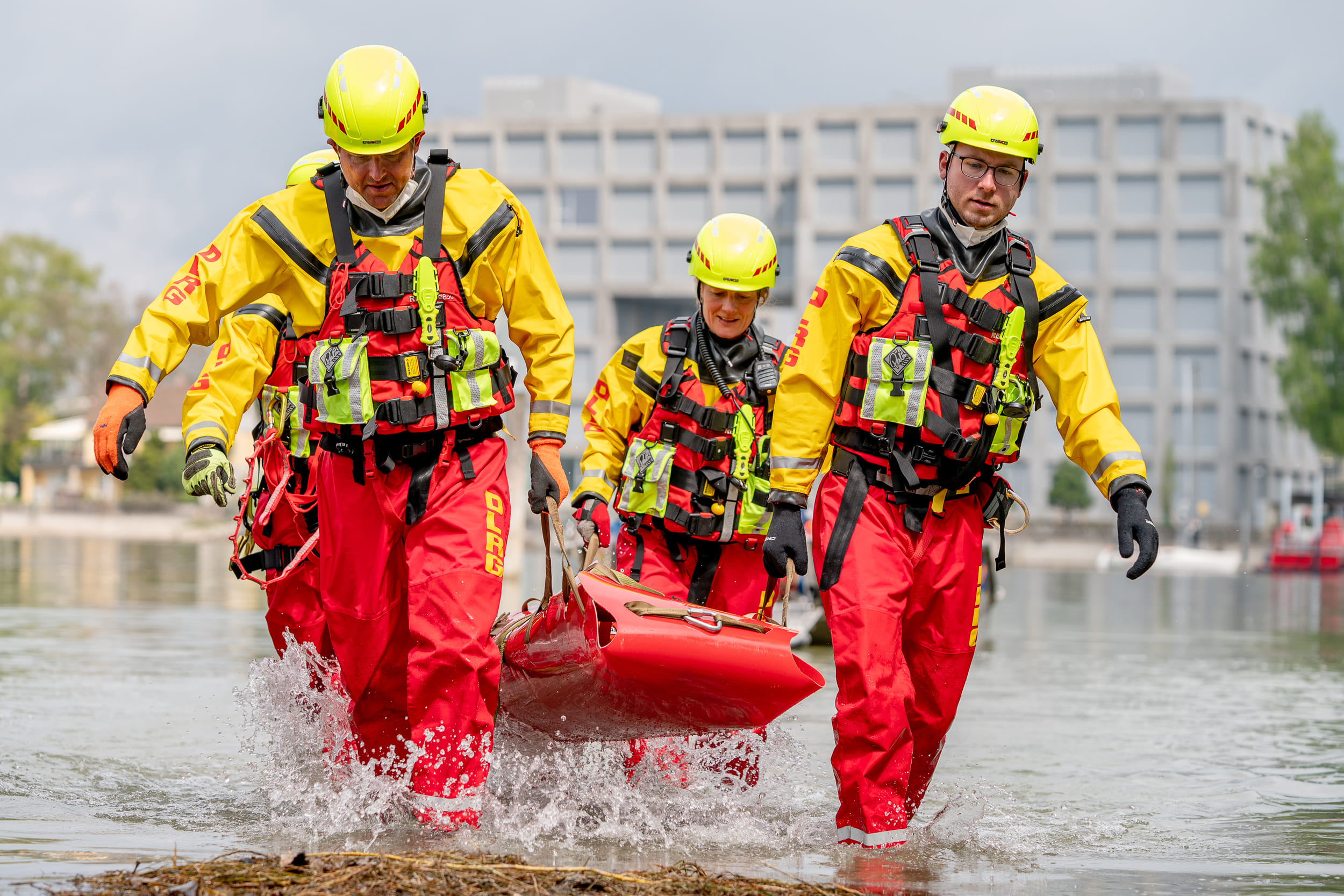
For many civil protection tasks, teamwork and plenty of helping hands are essential. | © DLRG
When people think of civil protection, they often first picture emergency responders putting out fires, rescuing people from crashed vehicles or helping during floods. But such operations are only part of a much broader range of tasks. Volunteers support people who have had to leave their homes, organise equipment and supplies, or help ensure a reliable power supply. They maintain vehicles and equipment,
check supplies and prepare exercises. When an operation lasts longer, they take care of resupply, fuel and hot meals. Many of these tasks take place away from the public eye – yet they are essential to an effective civil protection system.
Volunteering in civil protection is about more than emergency vehicles and blue lights
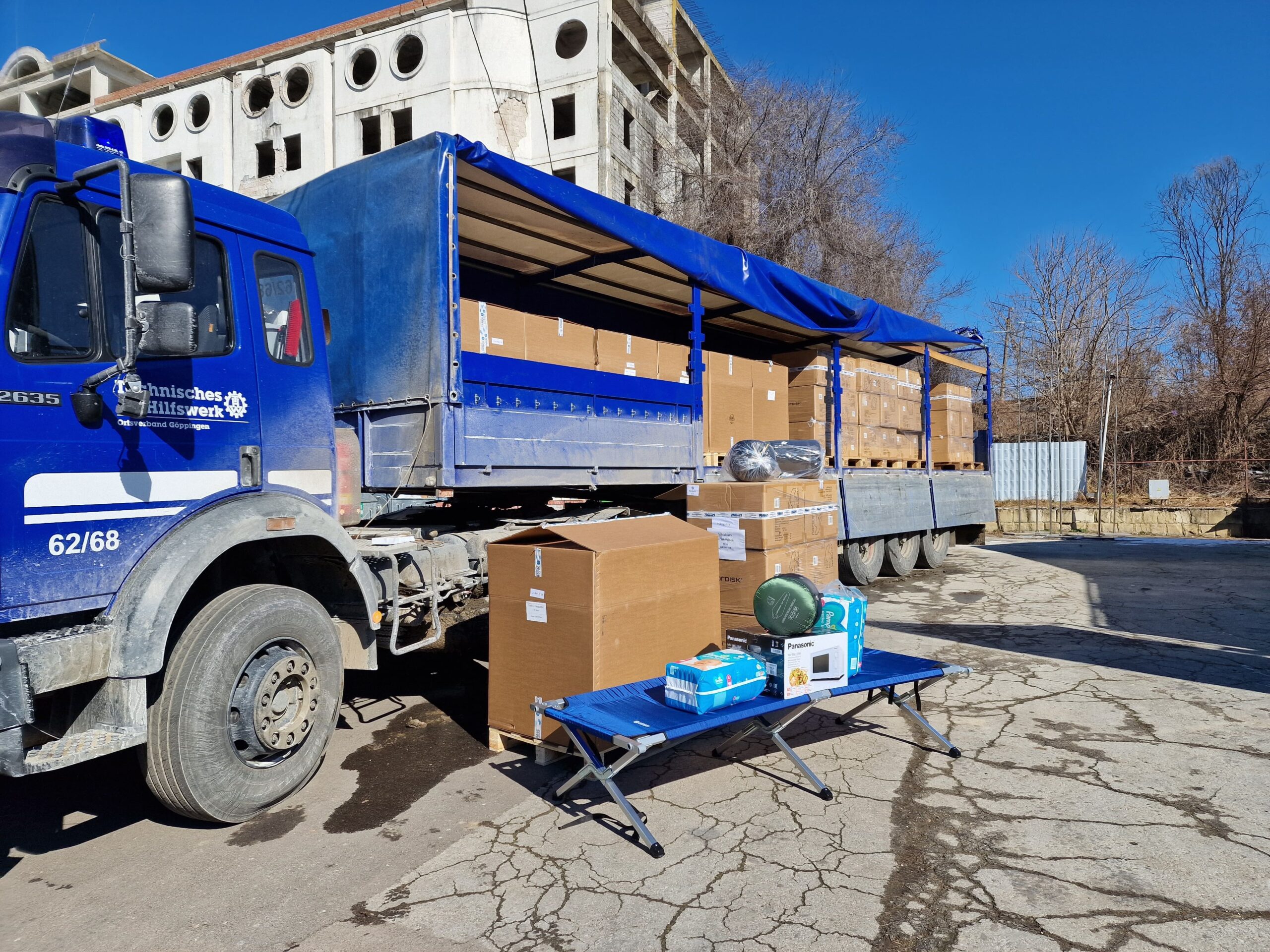
Effective logistics in disaster response ensures that materials and equipment reach the places where they are needed. | © THW
Various organisations work closely together in civil protection. These include municipal civil protection units, volunteer fire and rescue services, the Federal Agency for Technical Relief (THW), and aid organisations such as the German Red Cross (DRK), Johanniter-Unfall-Hilfe (JUH), Malteser Hilfsdienst (MHD), Arbeiter-Samariter-Bund (ASB) and the German Life Saving Association (DLRG). Each organisation
has its own areas of expertise. During operations, their roles overlap and complement one another. There is therefore no such thing as a “typical” role in civil protection. The opportunities to volunteer are just as varied: working alongside other emergency responders, supporting people affected by an emergency, taking on technical or organisational tasks, or putting professional experience to use. Skills
that may seem ordinary in everyday life can also be valuable – from organisational skills and practical know-how to foreign language skills, interpersonal skills and IT expertise.
Volunteering in support roles: putting people first
People arriving at an emergency shelter after an evacuation are often stressed and unsure of what will happen next. This is where volunteers in support roles can make a real difference. They welcome people affected by an emergency, help set up shelters, distribute clothing
and hygiene items, and help families find their way in an unfamiliar situation. Sometimes people need specific information, sometimes simply someone to listen – and often they need both.
Empathy, patience and clear communication are particularly important in these situations. People who speak several languages or have experience with different cultural backgrounds can also help bridge communication gaps and provide people in difficult circumstances with a greater sense of security and reassurance.
Suitable for: people who enjoy working with others and have strong interpersonal or organisational skills, or who speak other languages
Volunteering and organisation: keeping track of things
Even volunteering involves schedules, appointments and administrative tasks. After all, equipment and personnel need to be in the right place at the right time, training sessions and exercises need to be prepared, and information needs to be shared. Volunteers may therefore support the incident management team, help with administrative tasks or make sure that deadlines and appointments do not get overlooked.
The value of good organisation becomes particularly clear when everything comes together: an exercise runs as planned, a social media post reaches a wide audience, or conversations with people interested in volunteering start at a stand at a local fair. For those who like to keep track of things and get things moving, this is a clear example of what good preparation can achieve.
Suitable for: people with strong organisational and communication skills or experience in administration
Logistics and supplies in civil protection: getting help where it is needed
An operation lasts longer than expected, more camp beds are suddenly needed, and drinking water and food supplies also have to be available on time. That is when the importance of effective logistics becomes clear. Volunteers gather the equipment needed, load vehicles, organise distribution points and make sure that emergency responders and people affected by an emergency receive
food, drinks and everyday essentials.
Much of this happens behind the scenes, but it is nevertheless essential: when exactly the right equipment arrives where it is needed, or when a hot meal is available after many hours. This requires people who can plan ahead, keep track of equipment and supplies, and work in a structured way even when the situation changes at short notice.
Suitable for: people with strong organisational or practical skills, or an interest in planning, inventory management and transport
Technical skills: solutions to specific challenges in disaster management
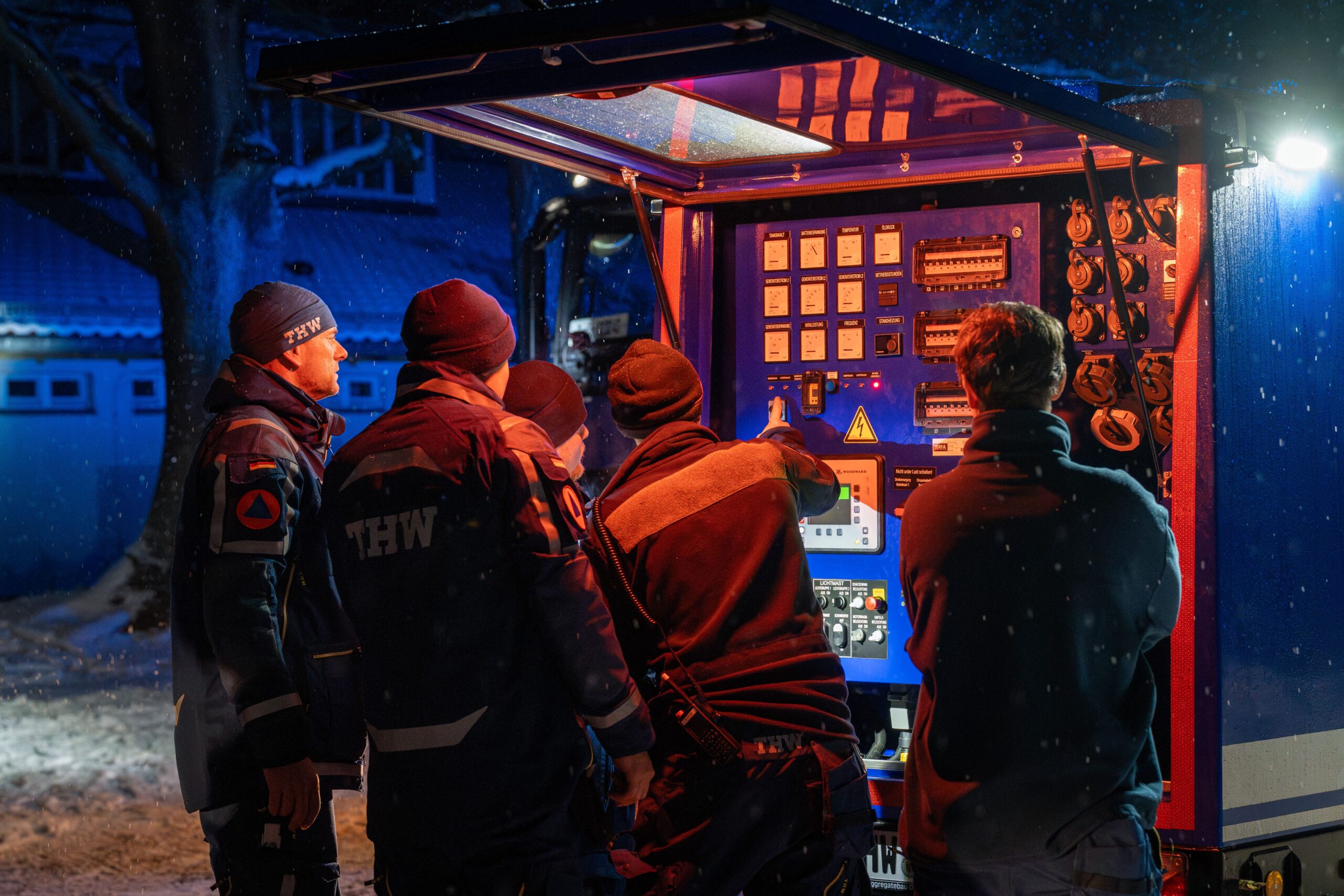
A reliable emergency power supply provides the basis for continuous operations during an incident. | © THW/Daniel Hofmann
The lights go out, an area is flooded, or communication needs to be maintained without the usual infrastructure: these are the kinds of challenges that require technical skills. Volunteers set up lighting, operate emergency generators and pumps, or use radio and other communication equipment to keep people connected. Depending on the operation, they may also assist with rescue and recovery work or help set up temporary infrastructure.
But technical volunteering starts long before a generator is switched on. Vehicles and equipment need to be checked and maintained, gear needs to be prepared, and volunteers need to practise using it. For people who enjoy tinkering, getting hands-on and finding practical solutions together, the results make it clear why this preparation matters: the lights come on, a pump starts working, and during an exercise, every step falls into place.
Suitable for: people with an interest in technology, practical skills or a passion for solving problems together
Finding your place in volunteering
When people think about civil protection, dramatic images can quickly come to mind: storm surges flooding entire streets. Huge wildfires spreading towards communities. Hurricane-force winds bringing trees down across roads, railway lines and buildings. Images of complex emergency situations that can be dangerous for responders, require physically demanding work and call for technical skills. These kinds of
operations do happen, of course. But they represent only part of what civil protection is about. Day-today work is often far less dramatic, and the range of tasks is much broader. It includes providing first aid at events, responding to smaller fires, or carrying out tasks that may not look like civil protection at first glance.
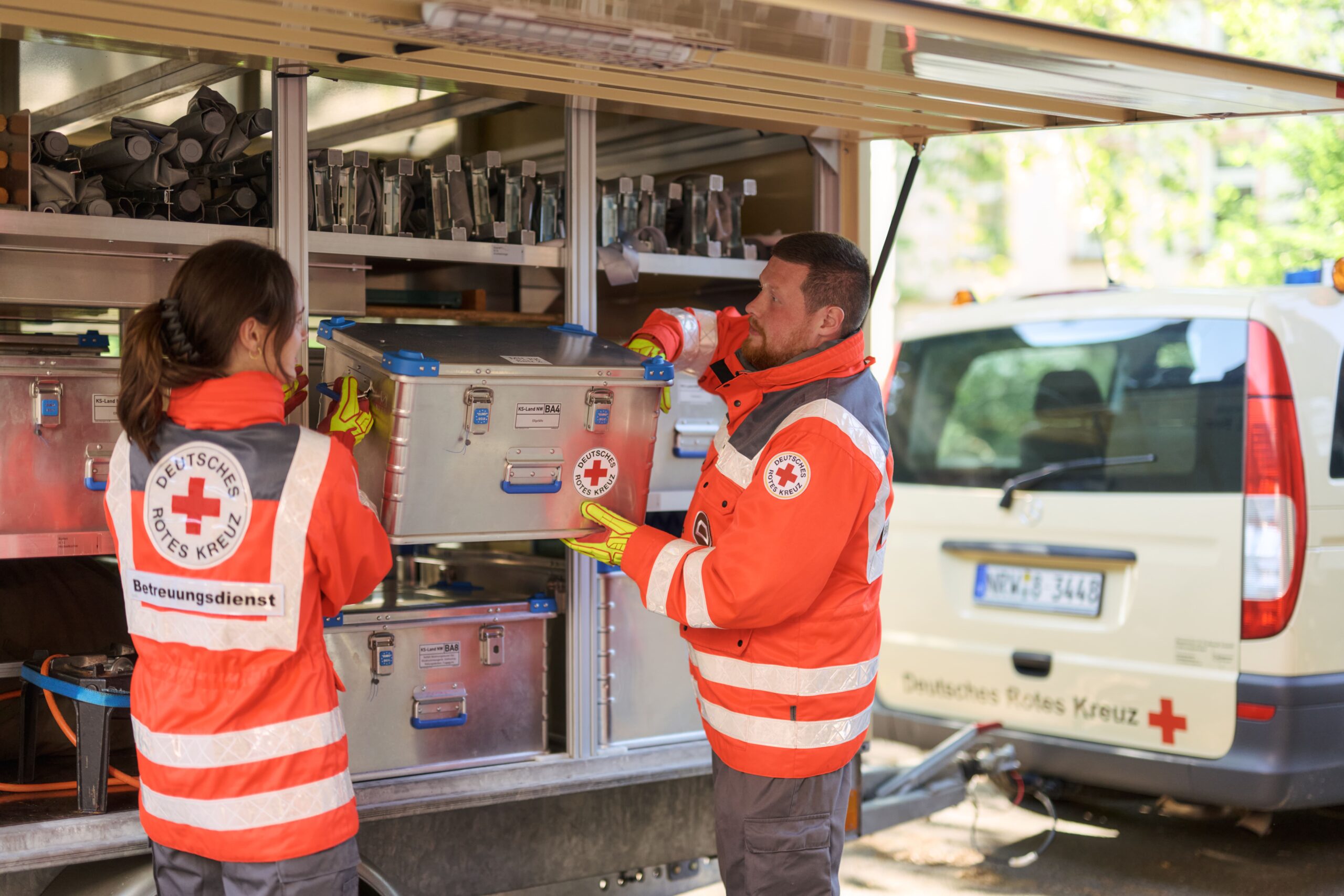
Preparing for emergencies also means ensuring that injured people can receive the care they need. | © Willing-Holtz/DRK
In civil protection, volunteers can make a real difference not only with a hose, bolt cutters or a defibrillator, but also with a wooden spoon, a keyboard or a toolbox. And no one needs to know how to do everything from the outset. Anyone who brings some time, curiosity and reliability, and is willing to try new things and learn alongside others, already has many of the qualities needed to get started.
Those who enjoy working with people may feel at home in support roles. Those who prefer planning, organising or keeping track of things may find suitable roles in administration or logistics. People with an interest in technical matters can operate equipment, maintain vehicles or support power and radio communications. Practical skills are just as valuable as strong communication skills, patience or an eye for detail. Many roles can also be adapted to different physical abilities. Together with the organisation they are interested in joining, volunteers can find out which area best matches their interests and abilities.
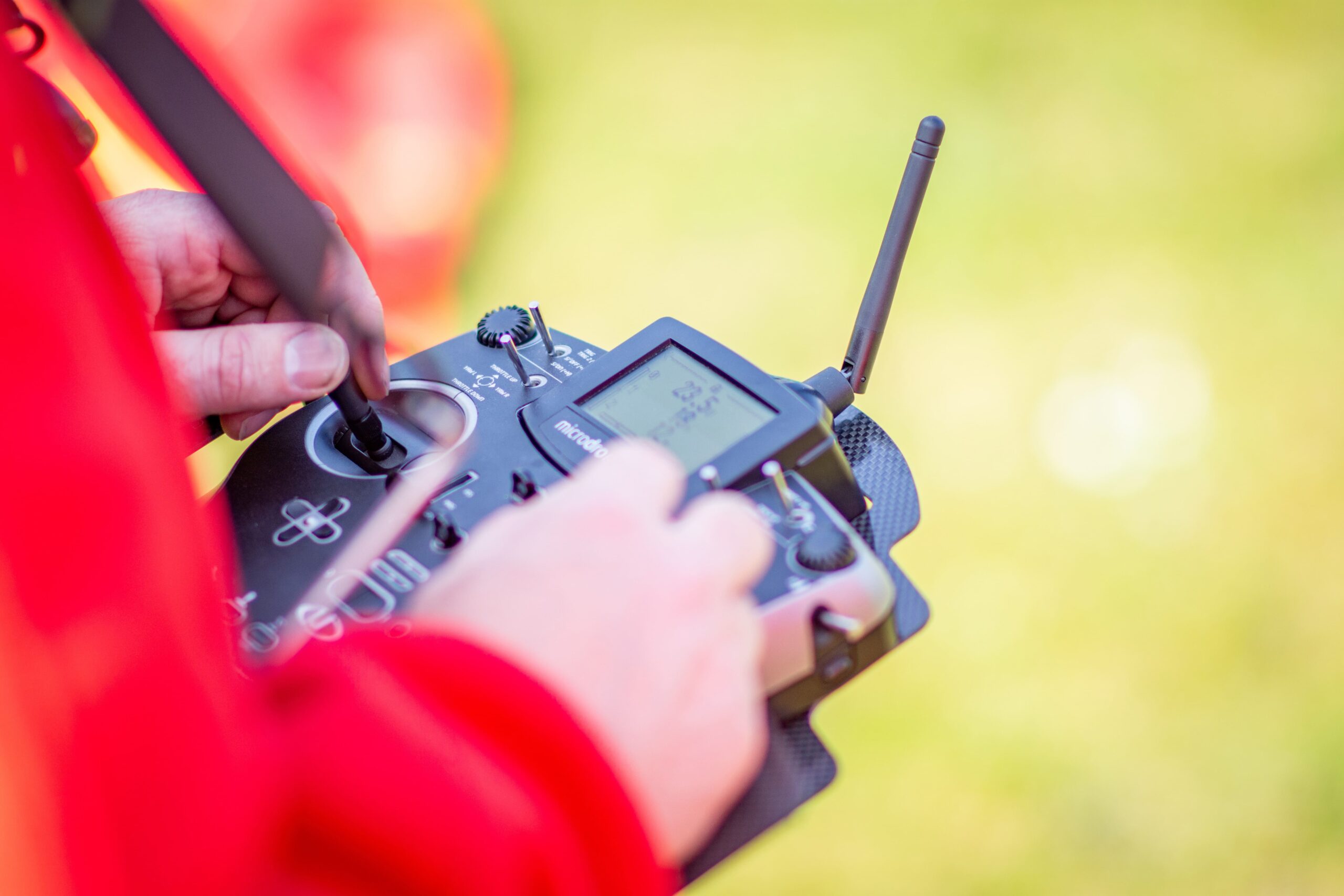
Technical systems support emergency responders in civil protection, helping them to carry out even complex tasks safely. | © DLRG
Getting started as a volunteer is a step-by-step process. Initial training provides an introduction to key procedures and the knowledge needed to get started. Volunteers can then undertake further training and specialise in particular roles. As they gain experience, many take on additional tasks, attend further training courses or assume new responsibilities. In this way, their skills and opportunities gradually develop over time.
Many local branches and groups offer introductory meetings, information evenings or other informal ways to get involved. These give people interested in volunteering the opportunity to ask questions, find out more about different roles and work out how much time they can realistically commit alongside their everyday lives. Getting a first-hand impression is often the best way to find the right role.
At the same time, volunteering develops more than just specialist knowledge. Members learn to take responsibility, work as part of a team and keep a cool head even in unfamiliar situations. Above all, they experience how their own contribution can make a real and tangible difference to other people.
The following organisations offer opportunities to volunteer:
Whether in support roles, logistics, technical work or organisation, every role in civil protection helps ensure that assistance reaches those who need it. Some tasks are at the heart of an operation, while many others take place behind the scenes. It is only by working together that all these roles form an effective team.
That is why no one needs to know how to do everything before getting involved. What matters is a willingness to take responsibility and help others as part of a team. For anyone who wants to contribute their own strengths, there are many ways to get involved – and a place to suit them in volunteering.